Frequently Asked Questions
This Column Provides You With A Collection Of Common Questions And Answers About Cranes, Covering Aspects Such As Equipment Operation, Safety Regulations, Daily Maintenance, Fault Diagnosis, And Usage Precautions. It Helps You Quickly Acquire Relevant Knowledge, Standardize Your Work Procedures, And Ensure The Safe And Stable Operation Of The Equipment.
Get A Free Quote
Q1: What working scenarios can your multi functional crane adapt to?
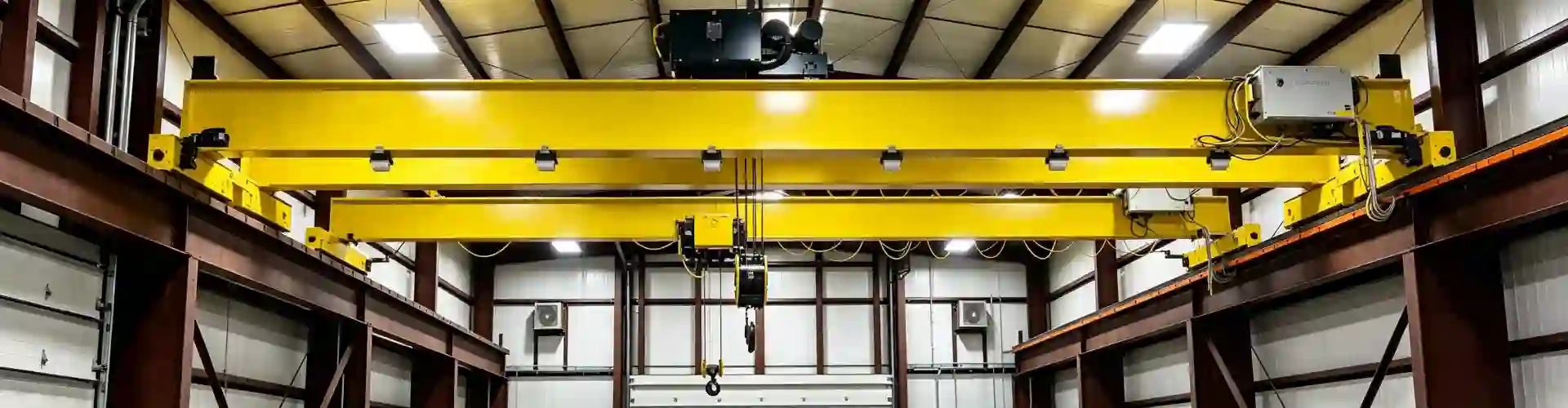
Our multifunctional lifting equipment is suitable for workshop assembly lines, warehouse cargo loading and unloading, outdoor light and medium-sized lifting, maintenance stations, and small manufacturing plants. It can efficiently handle different types of load tasks without additional machine investment, making it an ideal choice for places with diverse daily processing needs.
Q2: Can this multi functional crane be customised to match our workshop space and load demands?
Of course. We support customized configurations for multifunctional cranes, including adjustable lifting capacity, working span, lifting height, and operating modes. We will tailor parameters based on your site layout, workshop height, and daily handling load to ensure that the crane is perfectly suited to your workspace and maximizes work efficiency.
Q3: Is the multi functional crane easy to operate and maintain for daily use?
Yes, we designed this crane with operation and maintenance in mind. It is equipped with intuitive control buttons, stable anti swing technology, and clear operating instructions, allowing new operators to quickly master it in a short period of time. The core components are designed with modularity, making daily maintenance simple and long-term use greatly reducing maintenance time and labor costs.
Q4: How does a multi functional crane help reduce our overall production costs?
Our multifunctional crane can complete multiple lifting and handling tasks with one machine, so you don't need to purchase additional equipment or occupy more workshop space. It has the characteristics of low energy consumption, high stability, and low failure frequency, reducing equipment downtime and daily operating costs, and lowering usage costs.