






WHO WE ARE?
HENAN WEIHUA MACHINERY IM&EX CO., LTD founded in 1988, is a large‑scale equipment manufacturing enterprise specializing in the development of bridge, portal lifting machinery, port machinery, electric hoist, reducer, bulk conveying equipment and other items.
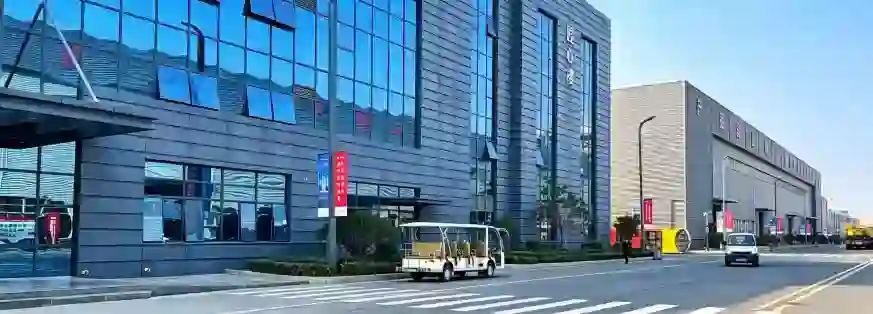
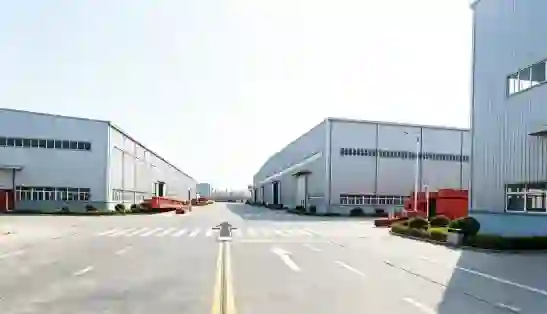
We have 10 series of more than 200 categories of lifting machinery manufacturing qualifications. The leading lines are widely used in machinery, metallurgy, mining, electric power, railway, port, petroleum, chemical and other industries, serving the national key projects such as West‑east gas transmission, South‑north water Diversion project, Olympic Games project, Hangzhou Bay Cross‑sea Bridge and thousands of large enterprises such as China Coal, China Shenhua, Sinopec, Petrochina, Baowu Iron and Steel. And exported to Thailand, Malaysia, Australia and other more than 170 countries and regions.
WE ARE
GLOBALLY OPERATED

500+
Won 500+ honors

1200+
Team 1200+ people

33
33 R&D platforms

170+
Export 170+ regions
PRODUCTION WORKSHOP
This column provides you with a collection of common questions and answers about cranes, covering aspects such as equipment operation, safety regulations, daily maintenance, fault diagnosis, and usage precautions. It helps you quickly acquire relevant knowledge, standardize your work procedures, and ensure the safe and stable operation of the equipment.
Get A Free Quote
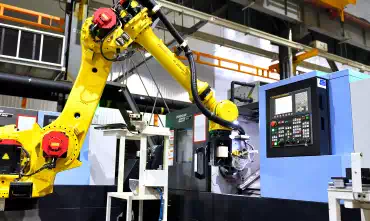
CNC LATHE ROBOT
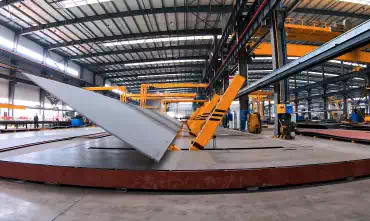
AUTOMATED FLIPPING FIXTURE
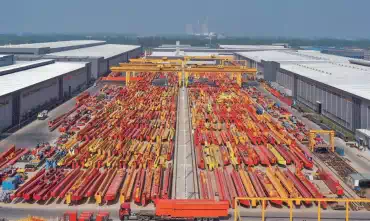
CRANE YARD
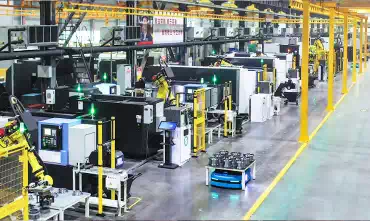
AUTOMATIC LOADING AND UNLOADING PRODUCTION LINE
TEAM INTRODUCTION

The average on-site inspection time for the security administrator is over 7 hours.
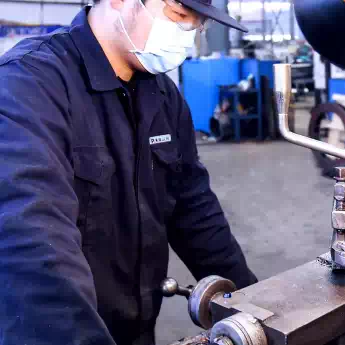
The lathe operator produces an average of 60 components per day.
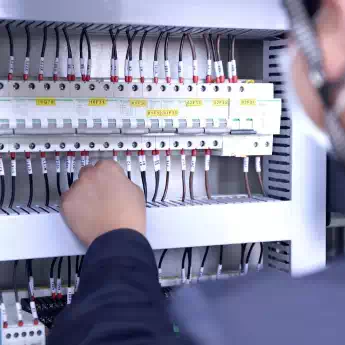
The electrical team assembles an average of 45 electrical control cabinets every day.
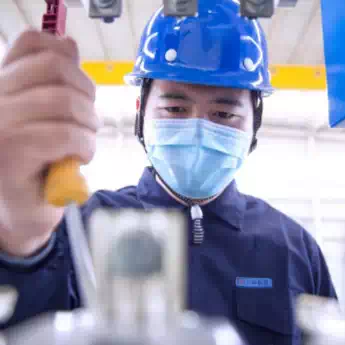
The qualified rate of the debugging personnel remains at 100%.
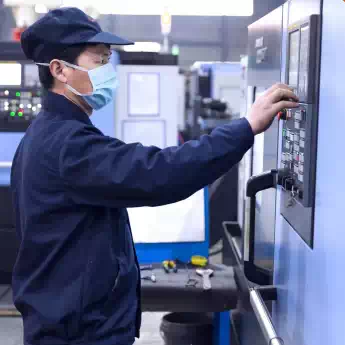
It takes the three members of the machine installation team 8 hours to complete the installation of 2 double-beam machines.
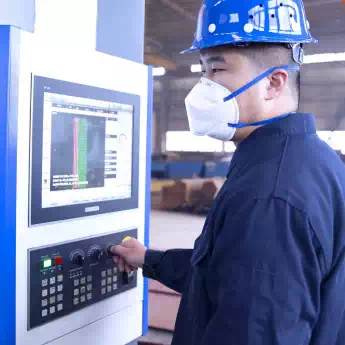
The average production of a single shift for a CNC lathe operator is 80 wheel axles.

The cutting team processes an average of 10 vehicles per day.
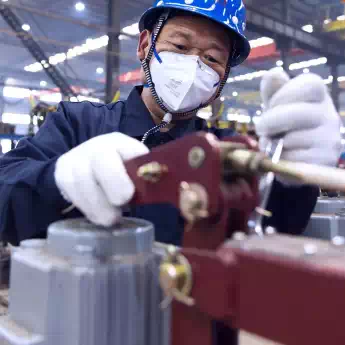
The quality inspector ensures that the product is 100% qualified.
COMPANIES THAT HAVE ESTABLISHED COOPERATION








FAQS
1.What is the main difference between an overhead crane and a gantry crane? How do I choose the right one for my workshop or yard?


An overhead crane, often called a bridge crane, is typically installed indoors, running on fixed rails attached to the building structure. It’s the ideal space-saving solution for factory workshops, warehouses, and assembly lines where maximum floor space utilization is critical.
A gantry crane is freestanding, running on tracks or wheels on the ground. It is the preferred choice for outdoor yards, shipyards, logistics hubs, and applications where there is no supporting building structure or where mobility across a large area is needed.
How to choose:
Choose an Overhead Crane if you have a fixed indoor area and need a high-efficiency, high-capacity solution for repetitive lifting tasks.
Choose a Gantry Crane if your operation is outdoors, requires flexibility in coverage, or involves handling materials over a wide or temporary work site.
A gantry crane is freestanding, running on tracks or wheels on the ground. It is the preferred choice for outdoor yards, shipyards, logistics hubs, and applications where there is no supporting building structure or where mobility across a large area is needed.
How to choose:
Choose an Overhead Crane if you have a fixed indoor area and need a high-efficiency, high-capacity solution for repetitive lifting tasks.
Choose a Gantry Crane if your operation is outdoors, requires flexibility in coverage, or involves handling materials over a wide or temporary work site.
2.What are the key technical specifications and safety standards to consider when purchasing a heavy-duty overhead crane?
Selecting a heavy-duty crane requires careful evaluation of several core technical specifications and safety certifications.
Key Specifications:
Lifting Capacity (Tonnage): The maximum safe working load.
Span: The horizontal distance between the runway rails.
Lifting Height: The maximum hook travel distance.
Duty Class (FEM/ISO): Classifies the crane’s intensity of use (e.g., A3, A5, A7), which impacts motor and structural design.
Control System: Options include pendant, radio remote, or cabin control.
Safety Standards:
Ensure the crane is designed and manufactured according to international standards such as ISO 9927, FEM 1.001, and regional regulations like ASME B30.2 or the Machinery Directive in the EU. Critical safety features include overload limiters, emergency stops, and end limiters.
Key Specifications:
Lifting Capacity (Tonnage): The maximum safe working load.
Span: The horizontal distance between the runway rails.
Lifting Height: The maximum hook travel distance.
Duty Class (FEM/ISO): Classifies the crane’s intensity of use (e.g., A3, A5, A7), which impacts motor and structural design.
Control System: Options include pendant, radio remote, or cabin control.
Safety Standards:
Ensure the crane is designed and manufactured according to international standards such as ISO 9927, FEM 1.001, and regional regulations like ASME B30.2 or the Machinery Directive in the EU. Critical safety features include overload limiters, emergency stops, and end limiters.
3.Can your gantry cranes be customized for span, lifting height, and outdoor environmental conditions?
Yes, customization is a core strength of our gantry crane solutions. We understand that every project site has unique requirements.
Span & Height: We can engineer single or double girder gantry cranes with spans from 10 meters to over 40 meters and lifting heights tailored to your specific needs, whether for stacking containers or handling large steel beams.
Outdoor Durability: For harsh environments, we offer heavy-duty corrosion protection paint systems, IP-rated electrical components for dust and moisture resistance, and optional features like windproof anchorage systems and canopies for operator cabins.
Our goal is to provide a custom gantry crane that fits your site’s exact dimensions and operates reliably in your specific climate.
Span & Height: We can engineer single or double girder gantry cranes with spans from 10 meters to over 40 meters and lifting heights tailored to your specific needs, whether for stacking containers or handling large steel beams.
Outdoor Durability: For harsh environments, we offer heavy-duty corrosion protection paint systems, IP-rated electrical components for dust and moisture resistance, and optional features like windproof anchorage systems and canopies for operator cabins.
Our goal is to provide a custom gantry crane that fits your site’s exact dimensions and operates reliably in your specific climate.
4. What is the maximum lifting capacity and operational efficiency of your port container cranes? How adaptable are they to different terminal layouts?
Our port container cranes are engineered for high-intensity performance.
Lifting Capacity: Our Ship-to-Shore (STS) cranes and Rubber-Tyred Gantry (RTG) cranes are capable of handling Post-Panamax and Super-Post-Panamax vessels, with maximum lifting capacities extending to 65+ metric tons under the spreader to handle multiple container configurations.
Operational Efficiency: They feature high-speed hoisting and trolley travel, slewing systems, and advanced spreader technology for fast cycle times, maximizing moves per hour (MPH).
Layout Adaptability: Our RTG and Rail-Mounted Gantry (RMG) cranes are highly adaptable. RTGs offer excellent mobility for flexible yard planning, while RMGs provide precision for high-density, automated stacking. We work with terminal planners to optimize crane configuration for narrow aisles, specific stacking tiers, and seamless integration with terminal operating systems (TOS).
Lifting Capacity: Our Ship-to-Shore (STS) cranes and Rubber-Tyred Gantry (RTG) cranes are capable of handling Post-Panamax and Super-Post-Panamax vessels, with maximum lifting capacities extending to 65+ metric tons under the spreader to handle multiple container configurations.
Operational Efficiency: They feature high-speed hoisting and trolley travel, slewing systems, and advanced spreader technology for fast cycle times, maximizing moves per hour (MPH).
Layout Adaptability: Our RTG and Rail-Mounted Gantry (RMG) cranes are highly adaptable. RTGs offer excellent mobility for flexible yard planning, while RMGs provide precision for high-density, automated stacking. We work with terminal planners to optimize crane configuration for narrow aisles, specific stacking tiers, and seamless integration with terminal operating systems (TOS).
5. What are the core advantages of your crane products in terms of energy efficiency, intelligent control, and lifetime maintenance costs?
We compete on total cost of ownership and advanced technology, not just initial price.
Energy Efficiency: Our cranes utilize regenerative drive systems that feed braking energy back into the grid, and variable frequency drives (VFDs) for optimal motor control, reducing energy consumption by up to 30-40% compared to conventional systems.
Intelligent Control: We offer anti-sway systems for precise load positioning, automated positioning, and remote monitoring (IoT) platforms. This allows for predictive maintenance and data-driven operation optimization.
Lower Lifetime Maintenance: Robust design with sealed lubrication systems, easy-access maintenance points, and the use of premium global component brands result in higher reliability, longer service intervals, and significantly reduced downtime and spare parts costs over the crane’s lifetime.
Energy Efficiency: Our cranes utilize regenerative drive systems that feed braking energy back into the grid, and variable frequency drives (VFDs) for optimal motor control, reducing energy consumption by up to 30-40% compared to conventional systems.
Intelligent Control: We offer anti-sway systems for precise load positioning, automated positioning, and remote monitoring (IoT) platforms. This allows for predictive maintenance and data-driven operation optimization.
Lower Lifetime Maintenance: Robust design with sealed lubrication systems, easy-access maintenance points, and the use of premium global component brands result in higher reliability, longer service intervals, and significantly reduced downtime and spare parts costs over the crane’s lifetime.

Can't Find Your Question?
If you're unable to find the answer to your query, contact us and let us know how we can help you.
Contact Frenobrake





