



Rotary Feeding Crane
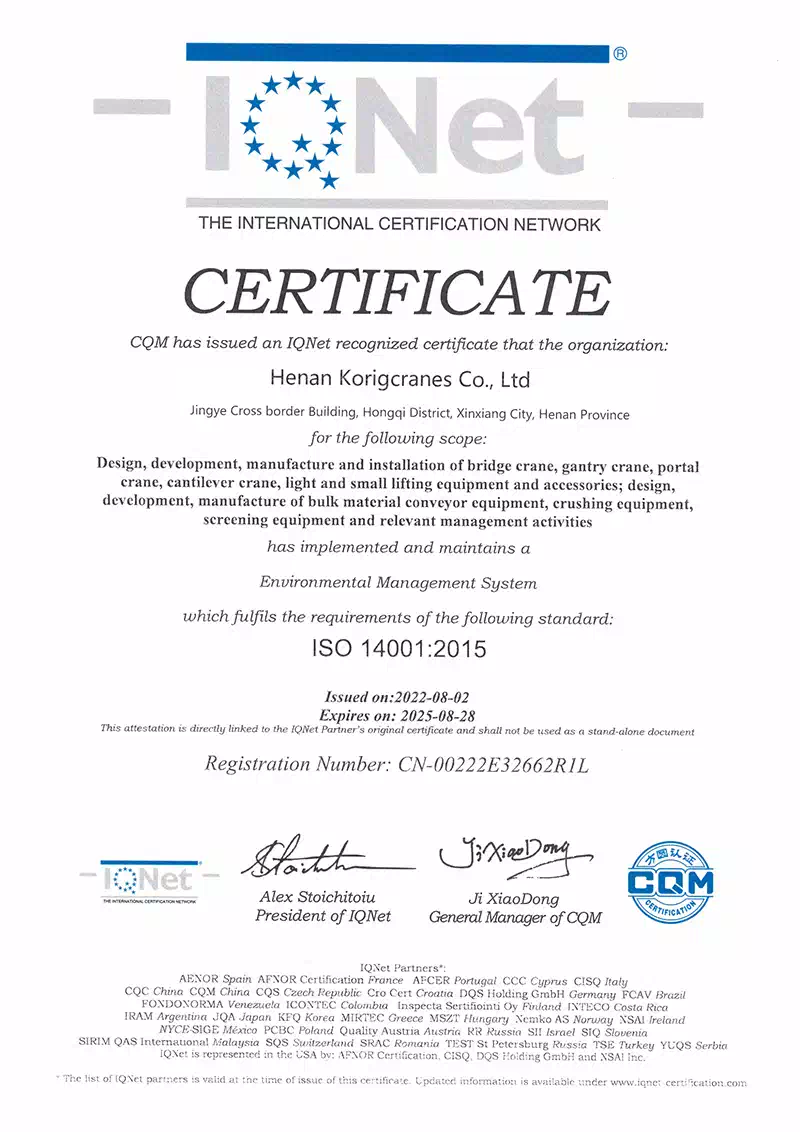
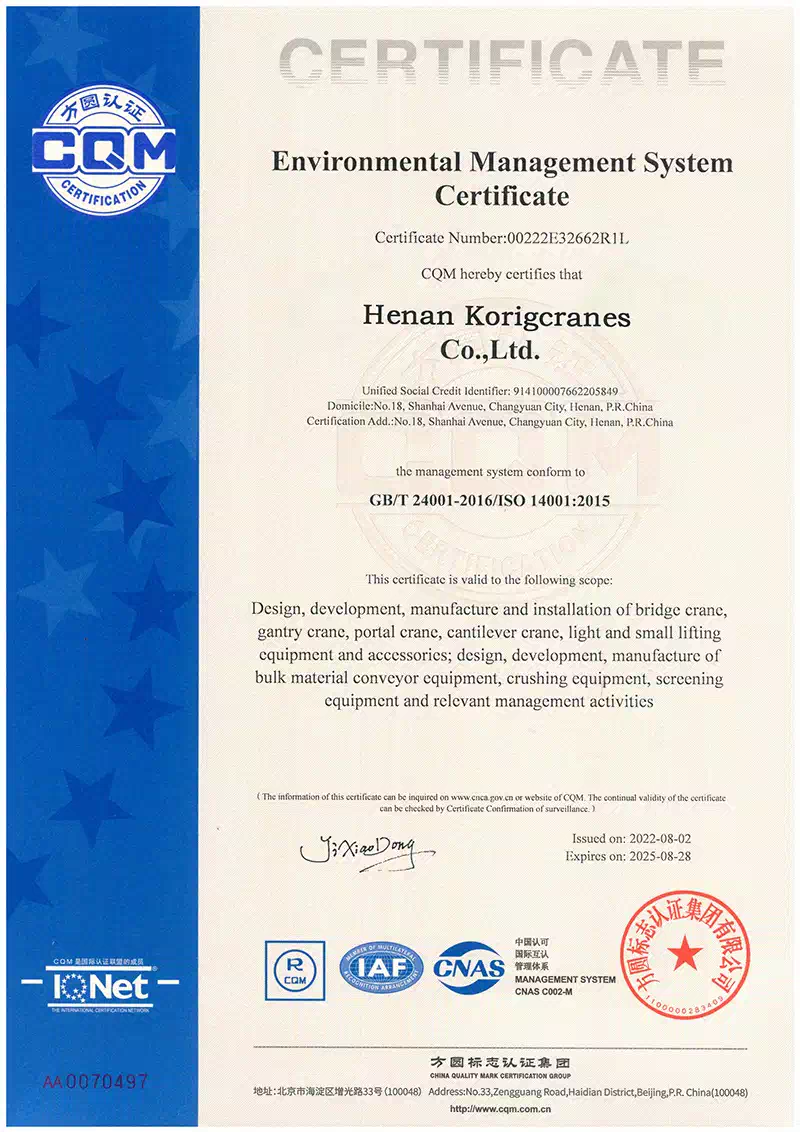
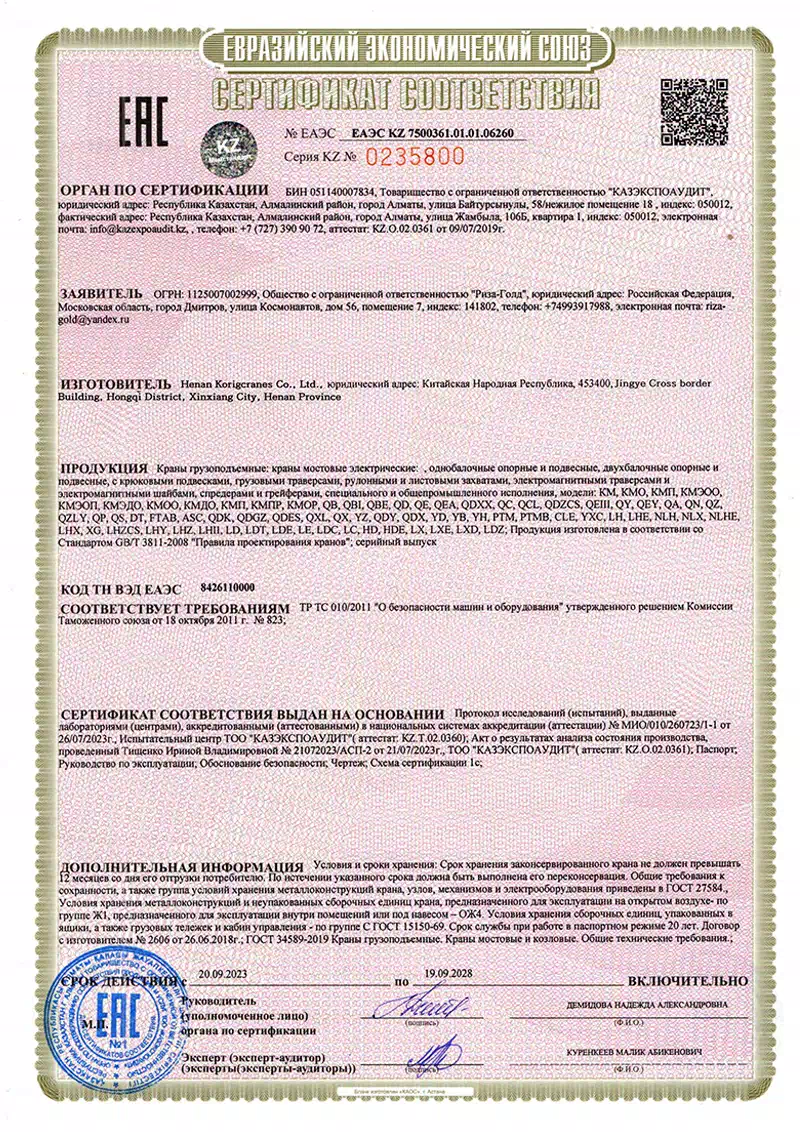
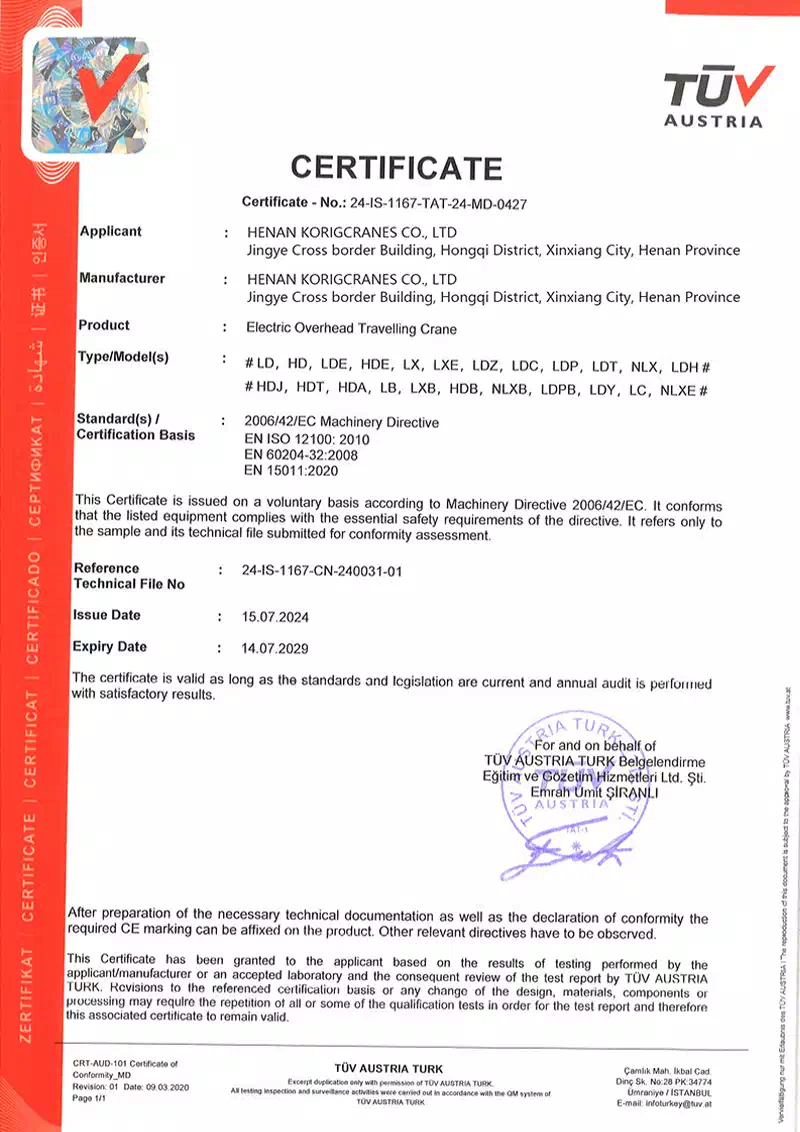
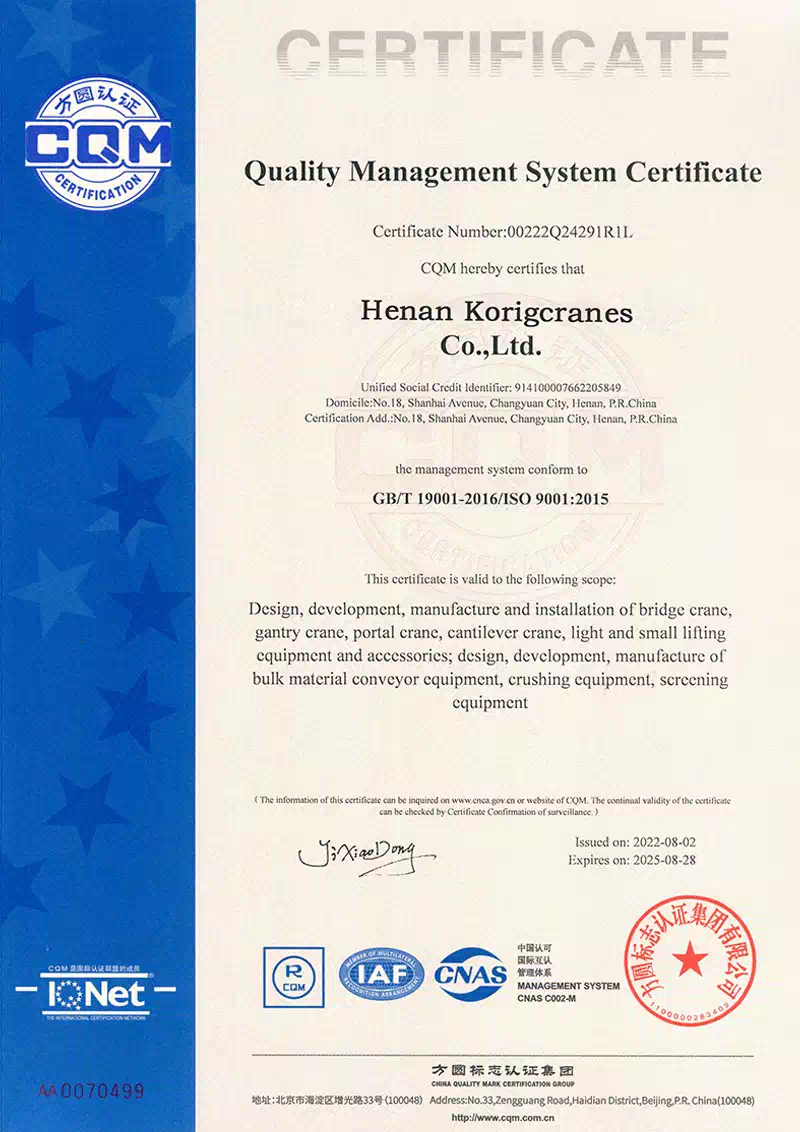
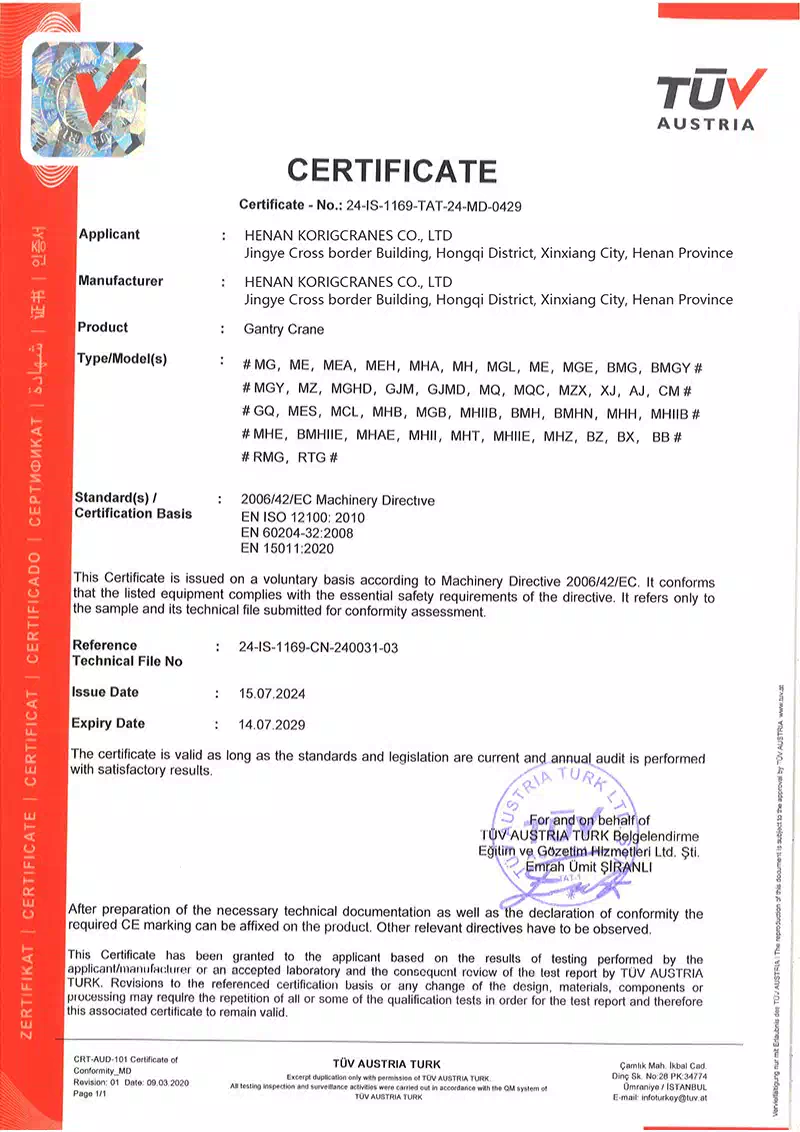
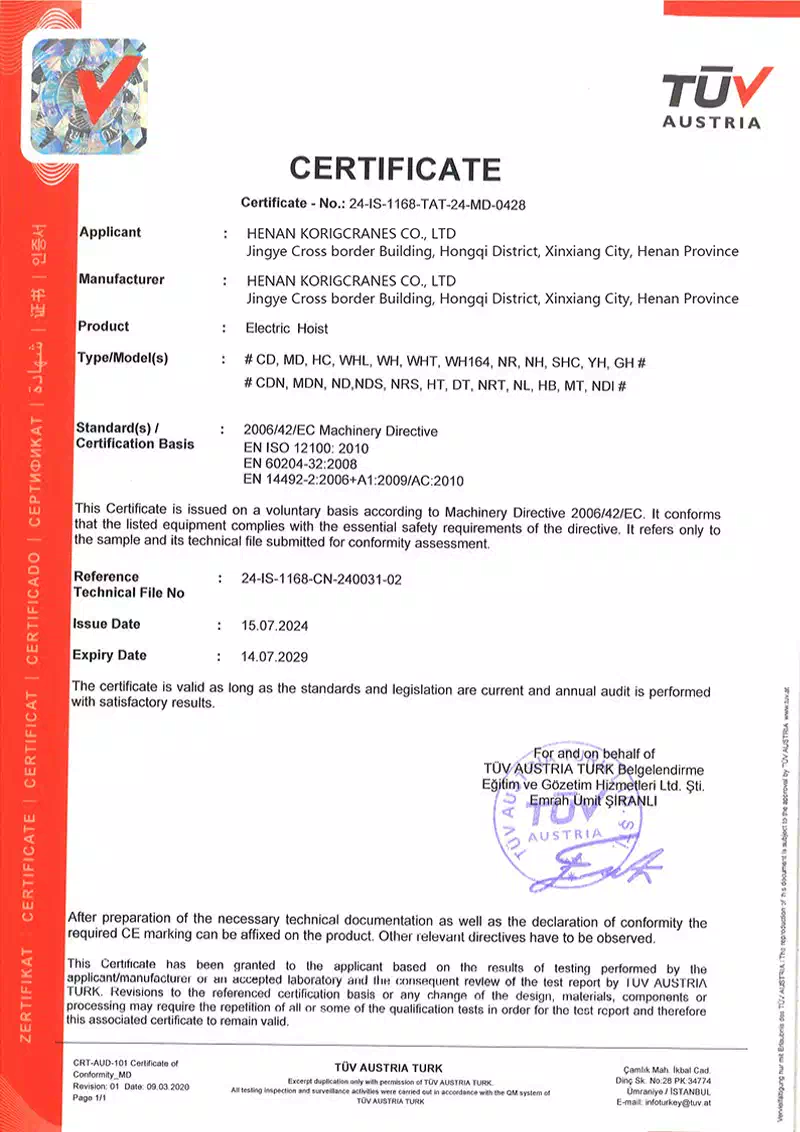
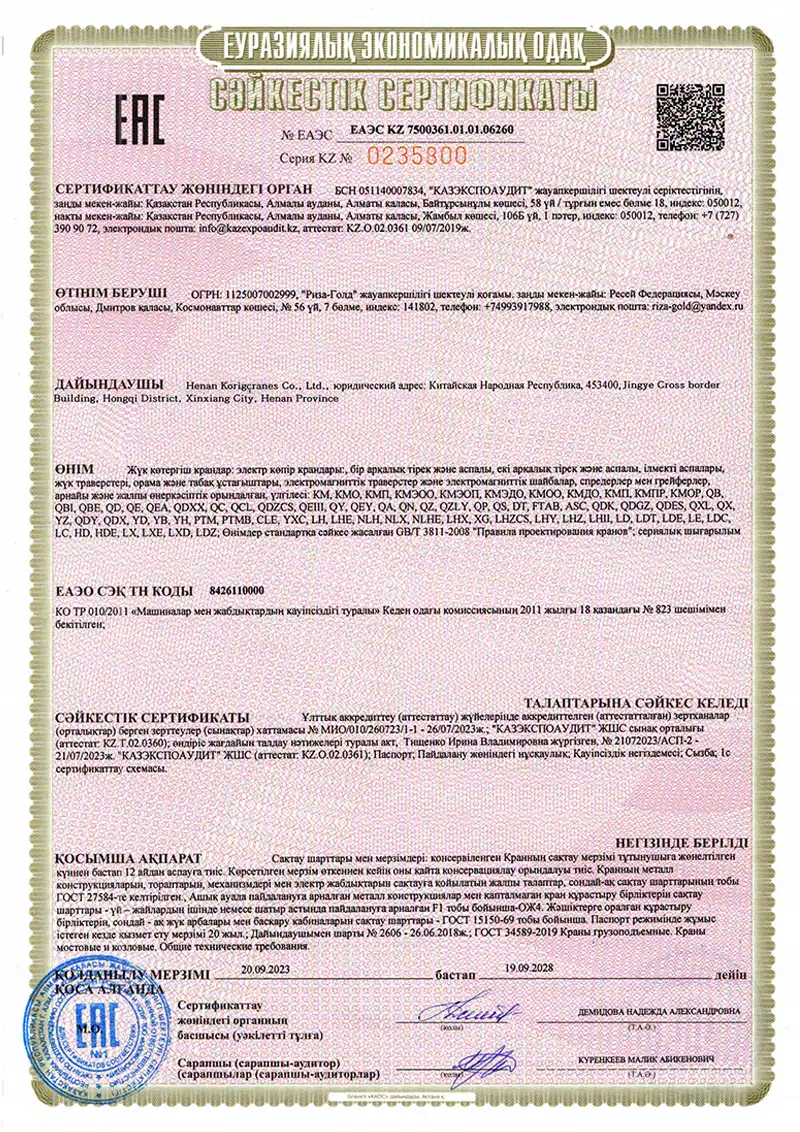
Authentication mark:


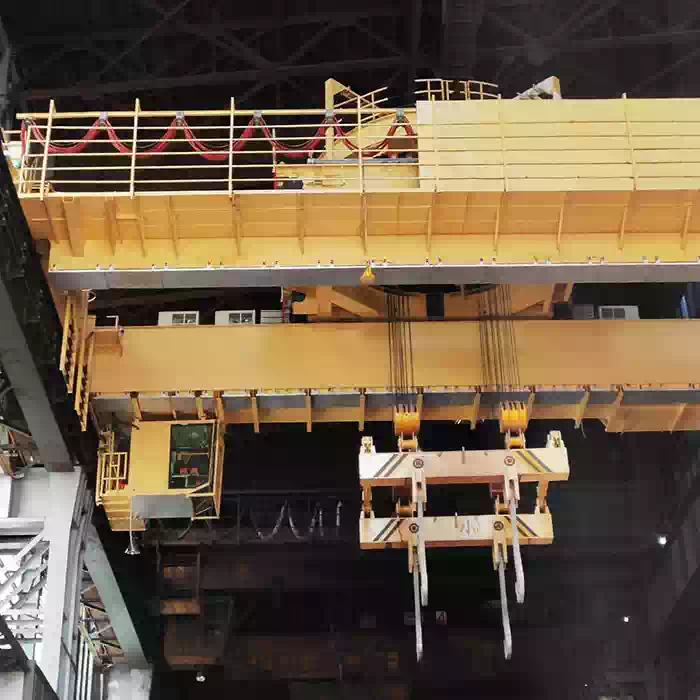
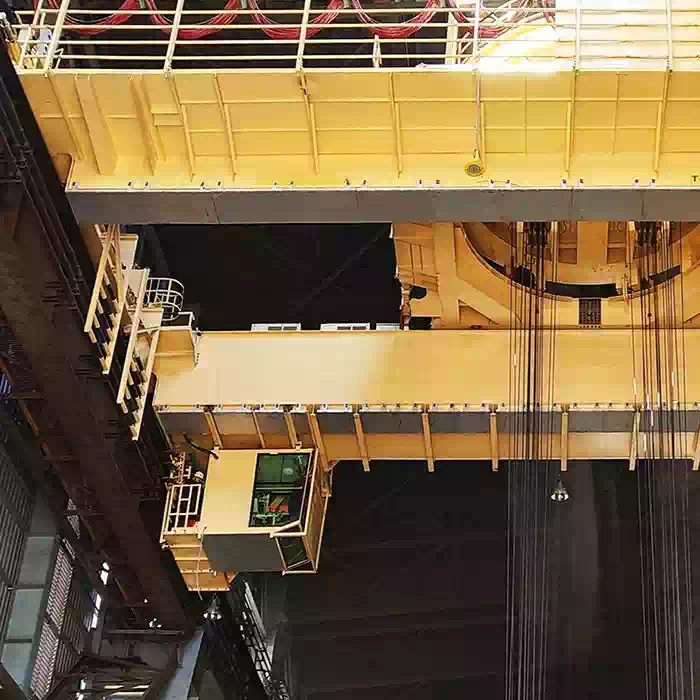
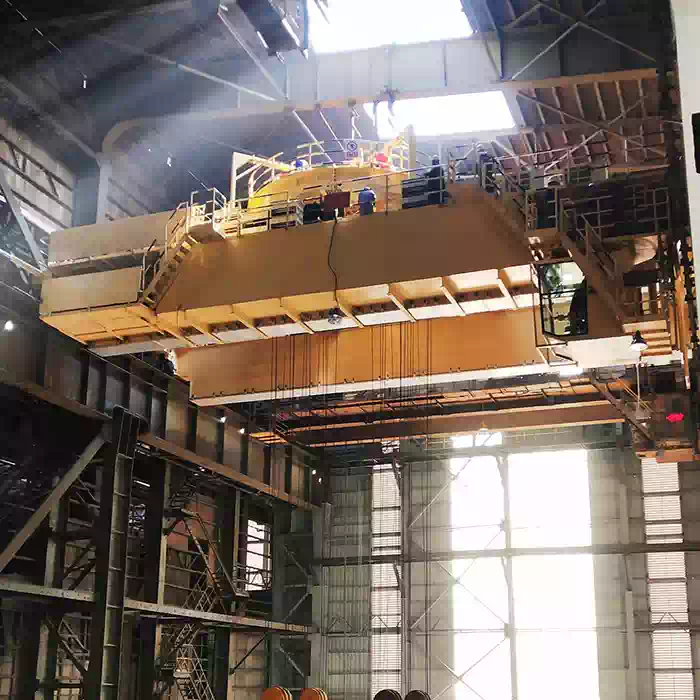
Rotary feeding crane suitable for the steel industry.
Capacity:
1t,2t,3t,5t
Lifting Height:
28m
Span:
31.5m
Voltage/Hertz:
380V
Working Class:
A6
Get A Free Quote
Introduction
Application Scenario
Advantages
Structural Diagram And Parameter Table
Introduction
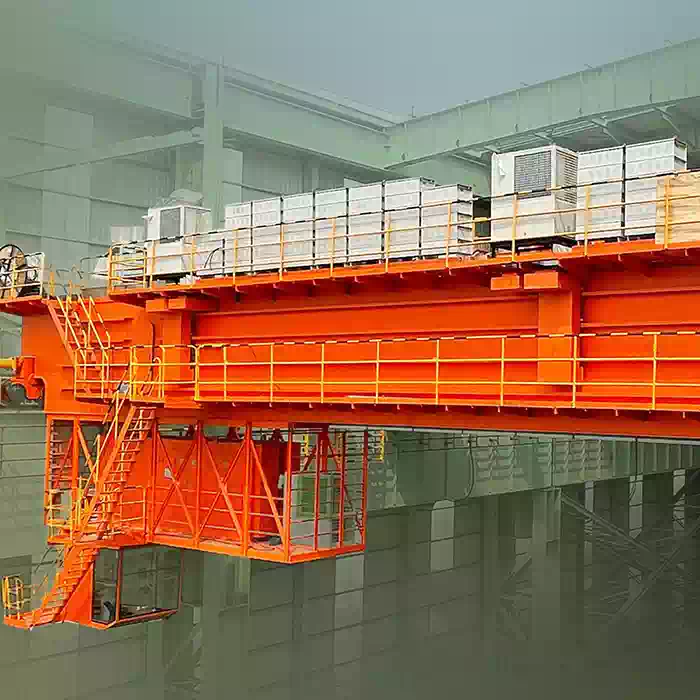
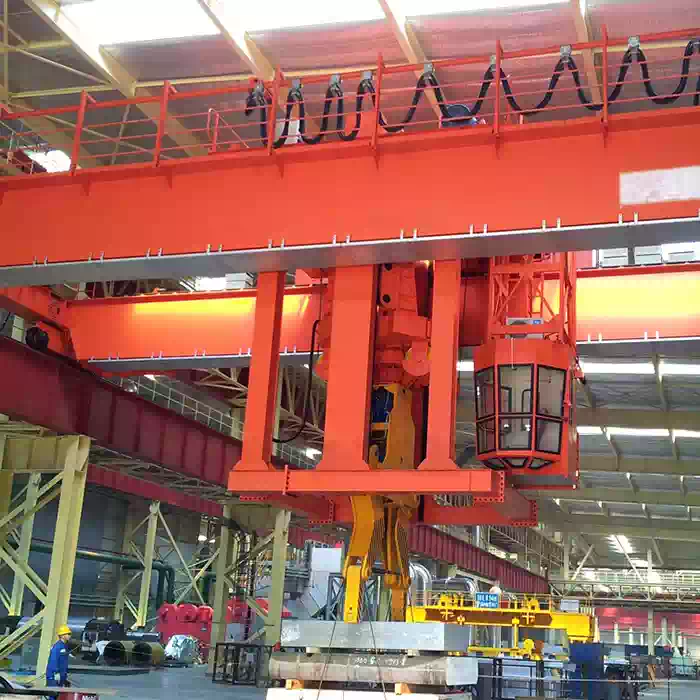
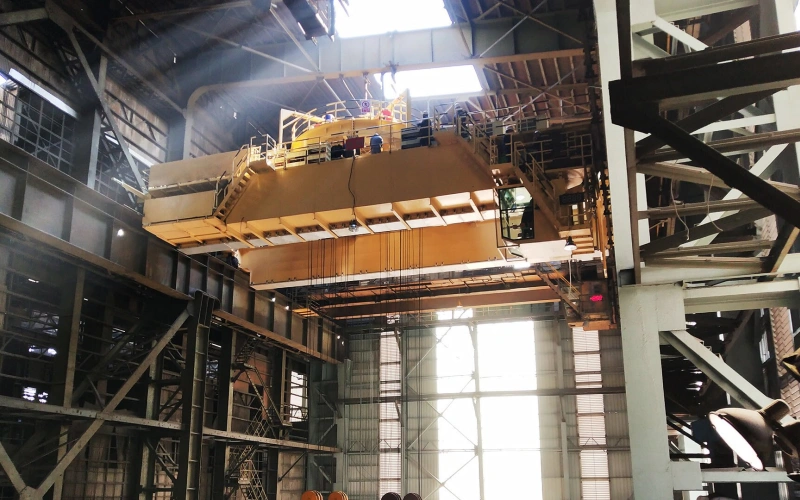
The Rotary Feeding Crane is a specialized equipment developed to address key challenges in steel industry production workshops, effectively solving the problems of limited space, large tilting angle of the trough and high feeding tonnage. With its unique 270-degree rotation function, the crane features strong operability, high safety factor, high stability and low friction, making it widely applicable in the steel industry and providing reliable support for efficient and safe production.
Designed with full consideration of the harsh and complex working environment of steel workshops, this rotary feeding crane is tailored to meet the special operational requirements of the industry. The trough is installed close to the wall, resulting in a small operating space for the hook, which puts forward higher requirements for the flexibility and precision of the crane’s operation—its reasonable structural design and flexible rotation function perfectly adapt to this limited space, ensuring smooth and efficient operation without being restricted by the working environment.
On the opposite side of the operator’s cab, there is a steel ladle covered with flames, which requires the crane’s structure to have a high fire and heat resistance coefficient. The Rotary Feeding Crane adopts high-standard fire-resistant and heat-resistant materials and structural design, effectively isolating high temperature and flame, ensuring the safe operation of the equipment and the personal safety of operators even in high-temperature and open-flame environments.
In terms of feeding efficiency, the crane is designed to complete the full dumping of waste materials at one time, which requires the tilting angle of the trough to be greater than 60 degrees. It perfectly meets this requirement through optimized structural design of the trough and stable power transmission, realizing rapid and thorough dumping of materials, avoiding repeated operations, greatly improving feeding efficiency and reducing manual operation intensity.
With its targeted design for steel industry scenarios, excellent performance and reliable safety, the Rotary Feeding Crane has become an indispensable key equipment in steel production workshops, helping enterprises solve practical operational difficulties and improve production efficiency and safety.
Application Scenario
Rotary Feeding Crane is mainly applied to material feeding and transfer links in industrial production, covering steel mills, cement plants, chemical plants, power plants and other related fields. In steel mills, it is used for feeding raw materials such as iron ore, coal and auxiliary materials into smelting furnaces, matching the continuous smelting production rhythm. In cement plants, it undertakes the feeding of cement raw materials and clinker into grinding equipment and mixing tanks, ensuring the continuity of cement production. In chemical plants and power plants, it is used to transfer and feed various granular, powdery or block materials, realizing accurate feeding and stable material supply, and adapting to the high-efficiency production needs of various industrial scenarios.
Advantages
Rotary Feeding Crane takes precise feeding and stable operation as the core, with obvious advantages in material feeding and transfer. It is equipped with a high-precision rotary mechanism, which can realize 360-degree flexible rotation, ensuring accurate alignment of feeding positions and avoiding material spillage. The feeding system adopts optimized design, with stable feeding speed and adjustable feeding amount, adapting to different feeding requirements of various materials. It is made of high-strength wear-resistant materials, with strong load-bearing capacity and good wear resistance, which can adapt to long-term continuous operation and harsh working environments. The intelligent control device realizes automatic feeding, precise positioning and real-time monitoring, reducing manual intervention and improving feeding efficiency. The overall structure is compact and reasonable, occupying small space, easy to install and maintain, with low failure rate and low later operation and maintenance costs. It can be customized according to the actual material characteristics and feeding requirements of enterprises, with strong adaptability and practicality.
Structural Diagram And Parameter Table

CORE ADVANTAGES
1
HIGH QUALITY & STABLE PERFORMANCE
Built with premium materials and strict quality control, ensuring smooth and consistent operation even under heavy working conditions.
2
LONG SERVICE LIFE & LOW MAINTENANCE
Durable structural design reduces wear and tear, delivering long service life with minimal maintenance requirements.
3
HIGH EFFICIENCY & ENERGY SAVING
Optimized driving system ensures fast, responsive lifting while lowering energy consumption and operating costs.
4
HIGH SAFETY STANDARD & DURABLE STRUCTURE
Equipped with multiple safety devices and a rugged structure, providing reliable protection and long‑term durability.
5
CUSTOM DESIGN & FLEXIBLE SOLUTIONS
Fully customizable to different tonnages and working conditions, offering flexible lifting solutions for shipyards and marinas.
QUALIFICATION
HOT PRODUCTS