



Forging Crane
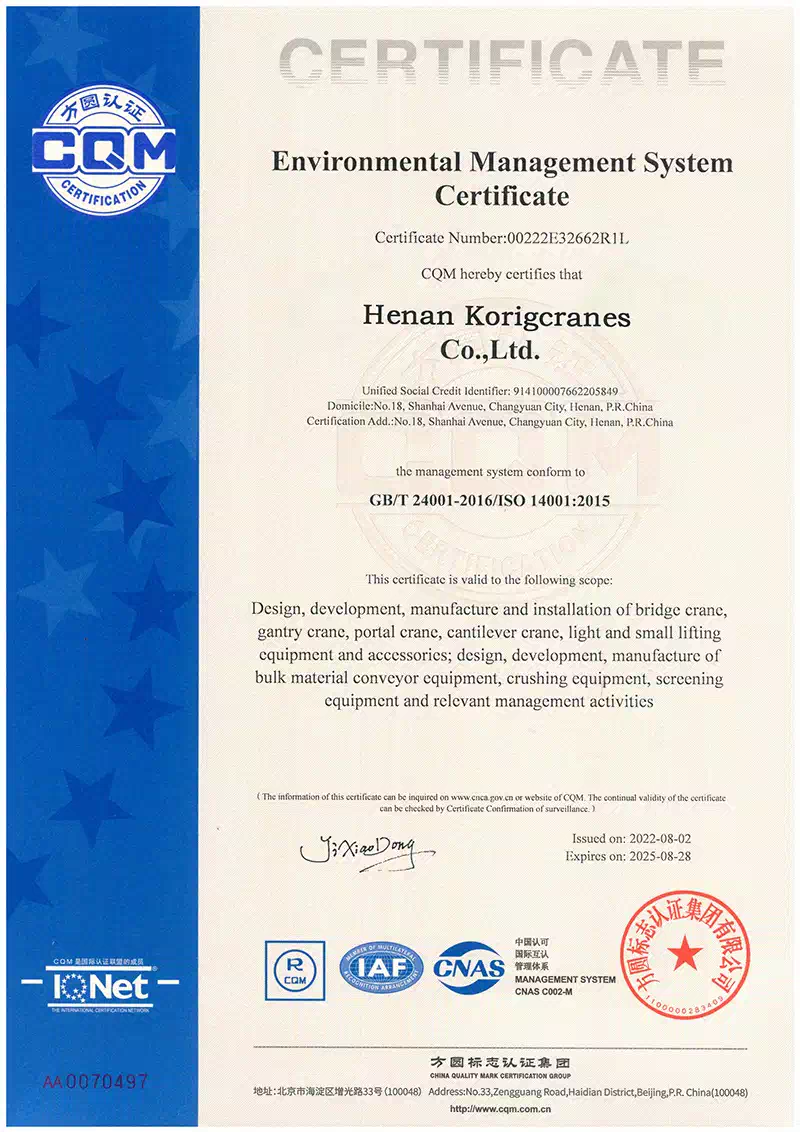
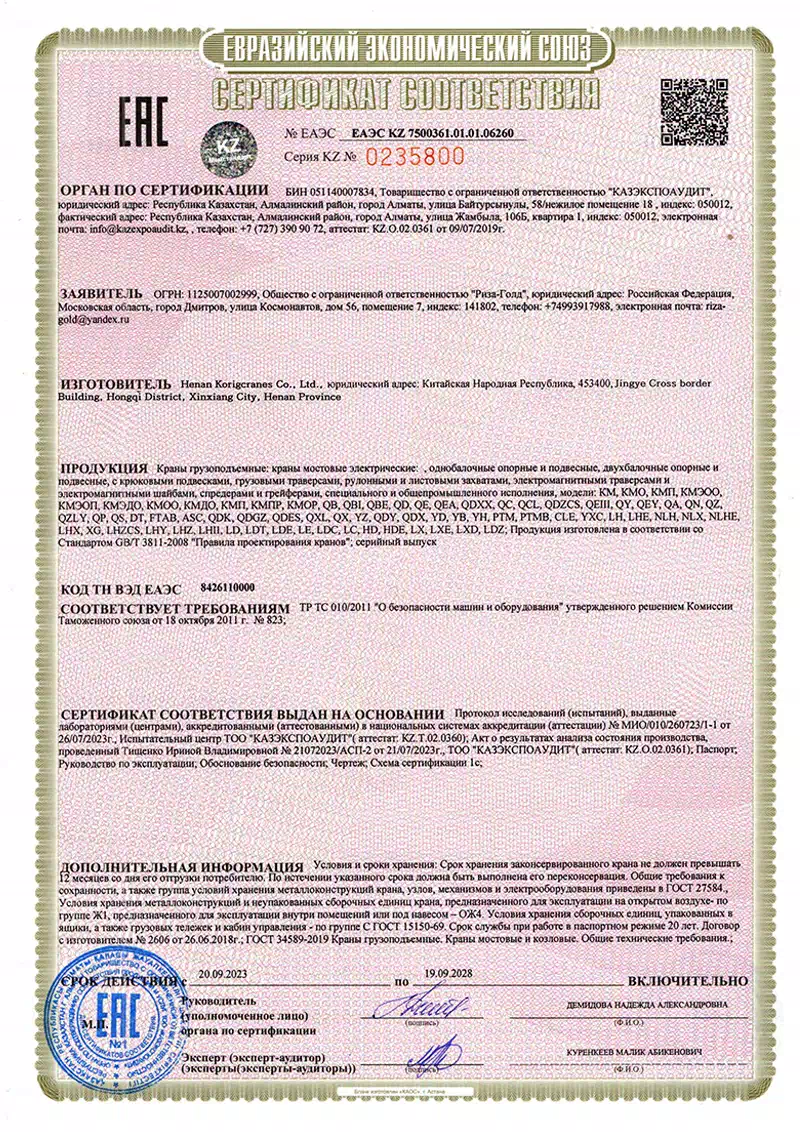
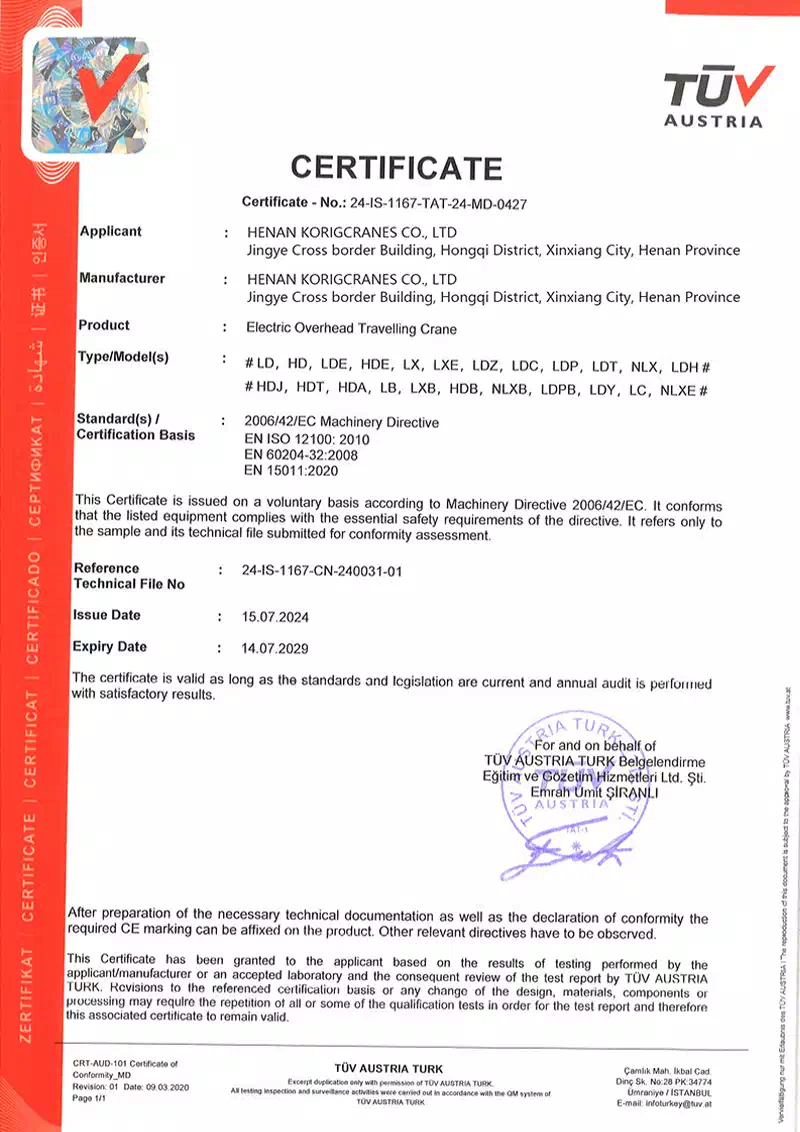
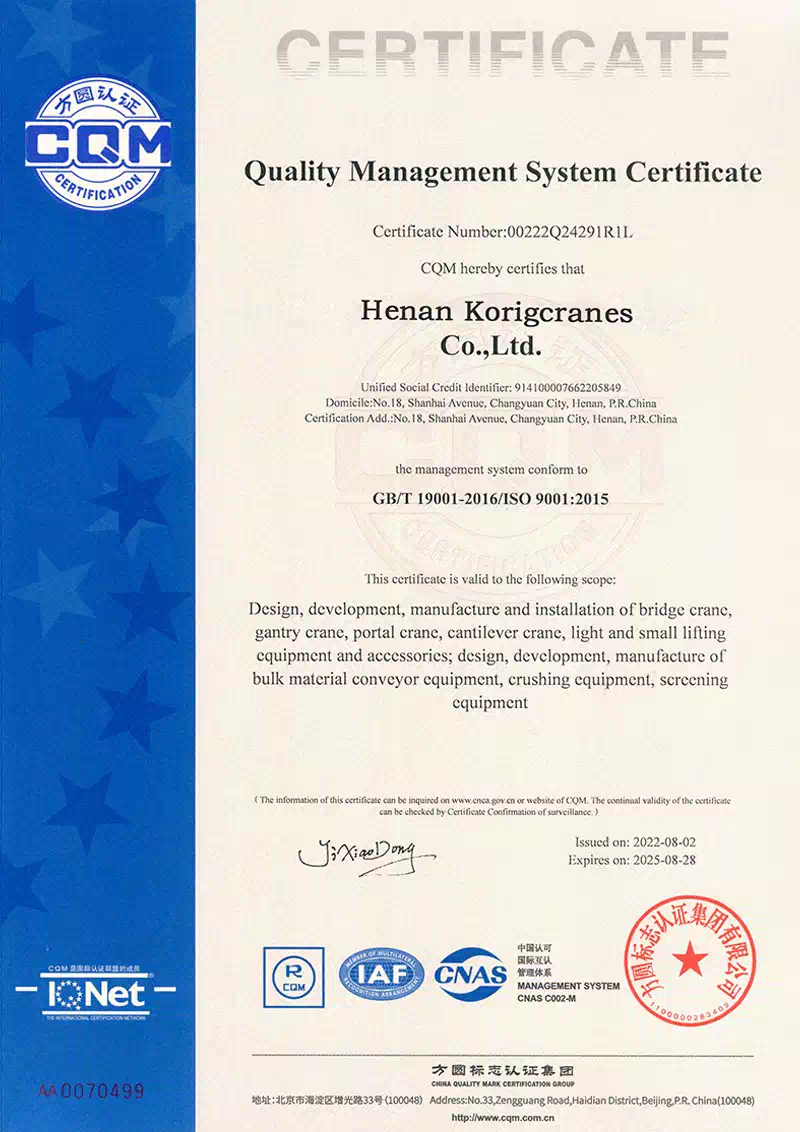
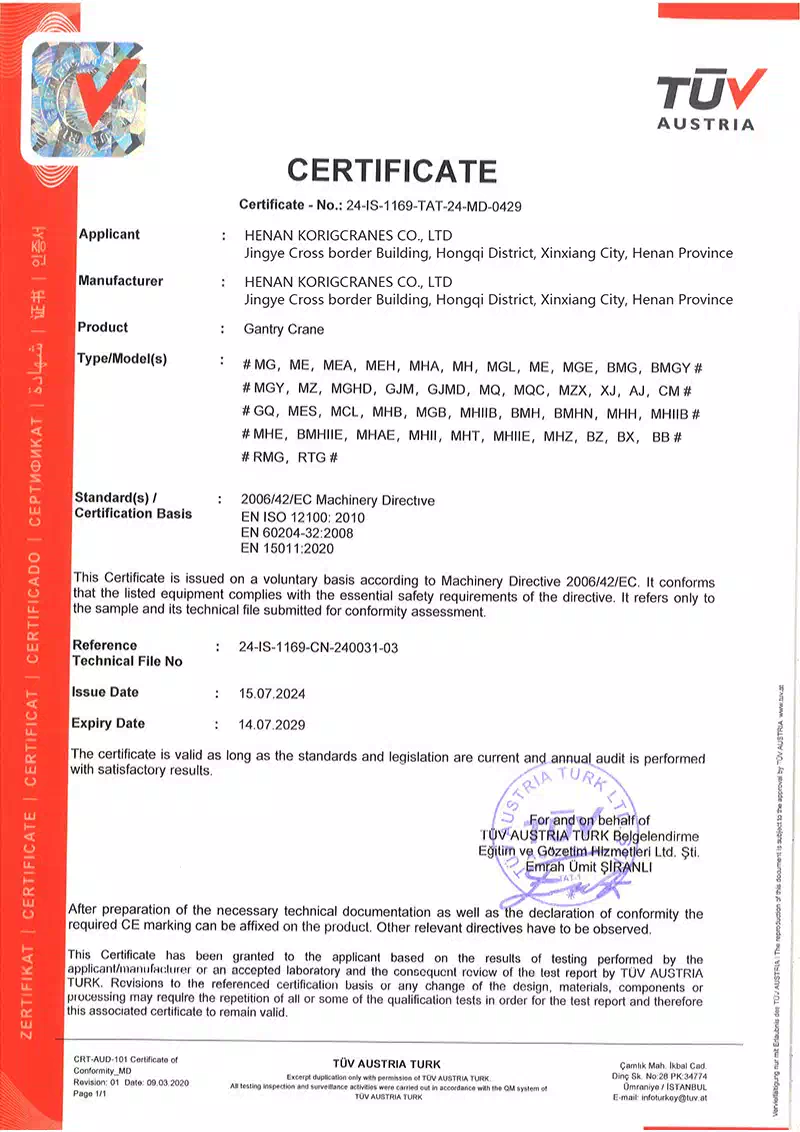
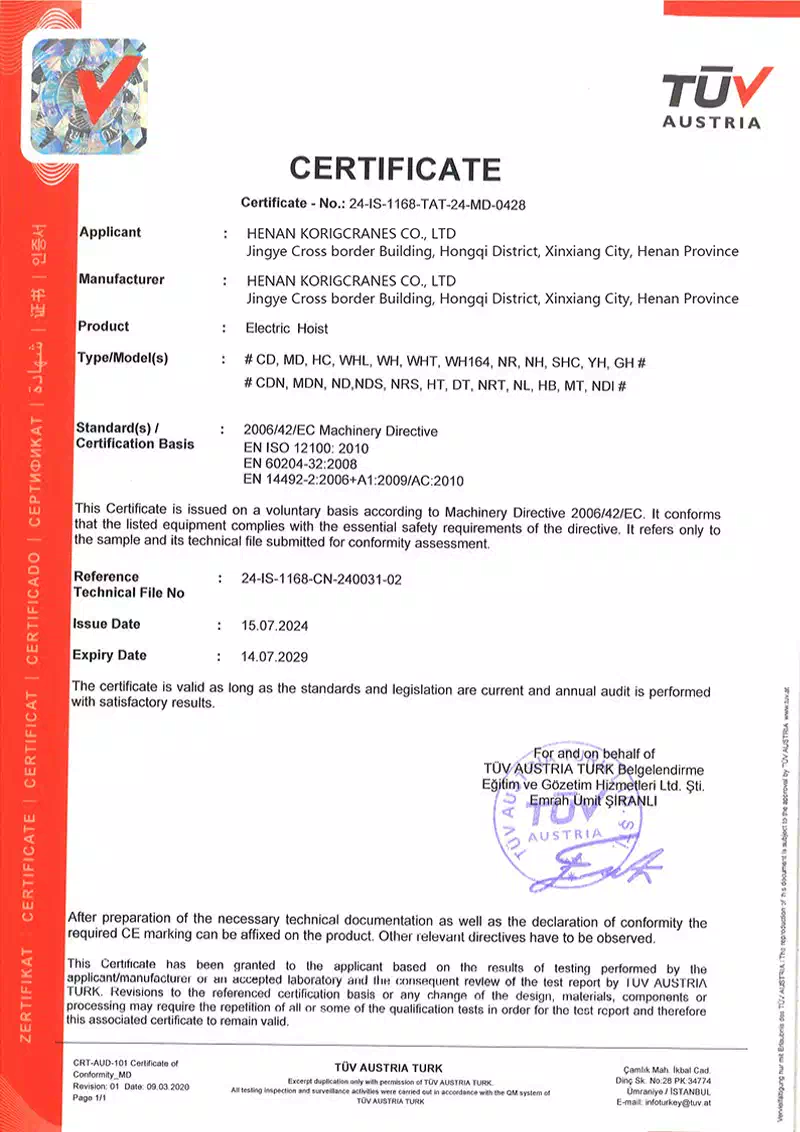
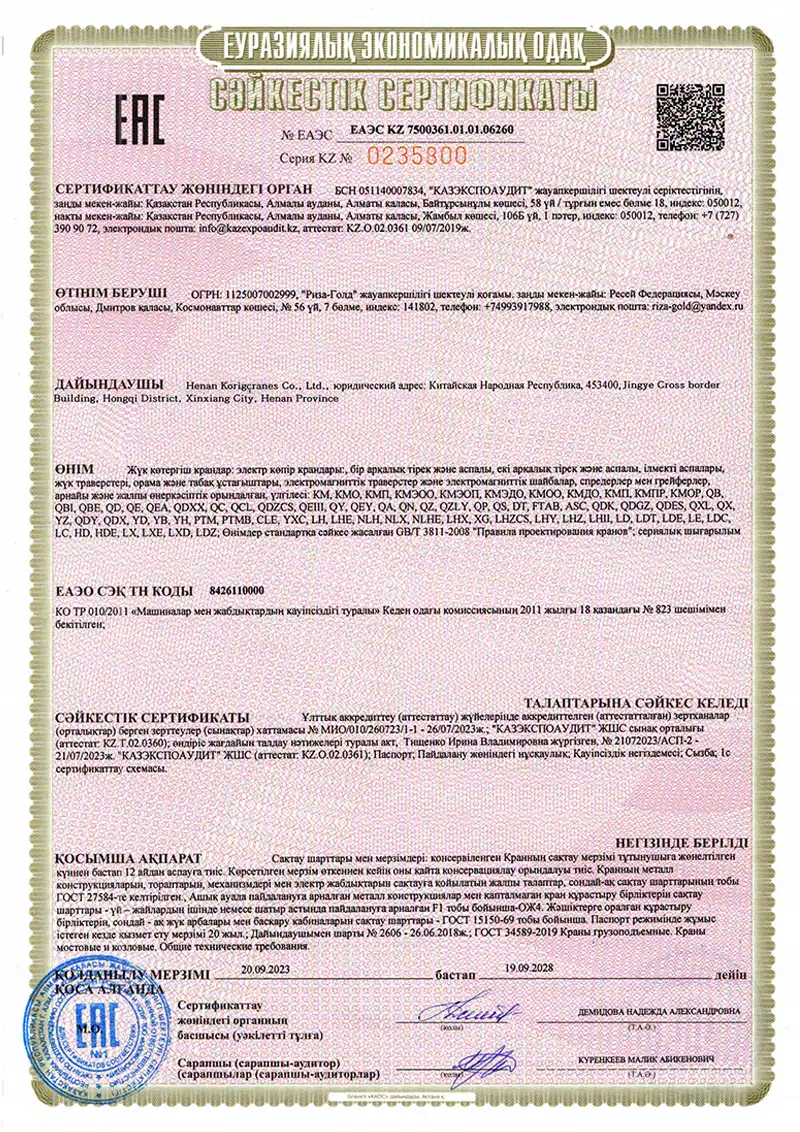
Authentication mark:


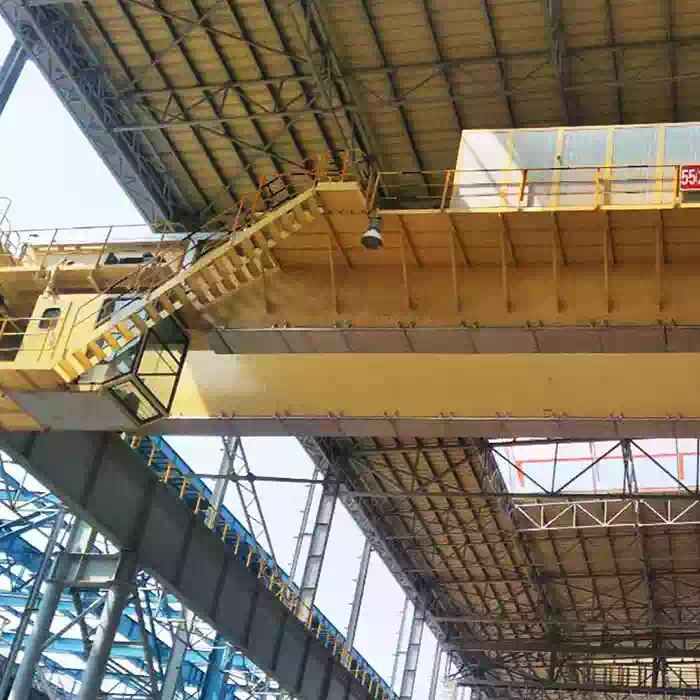
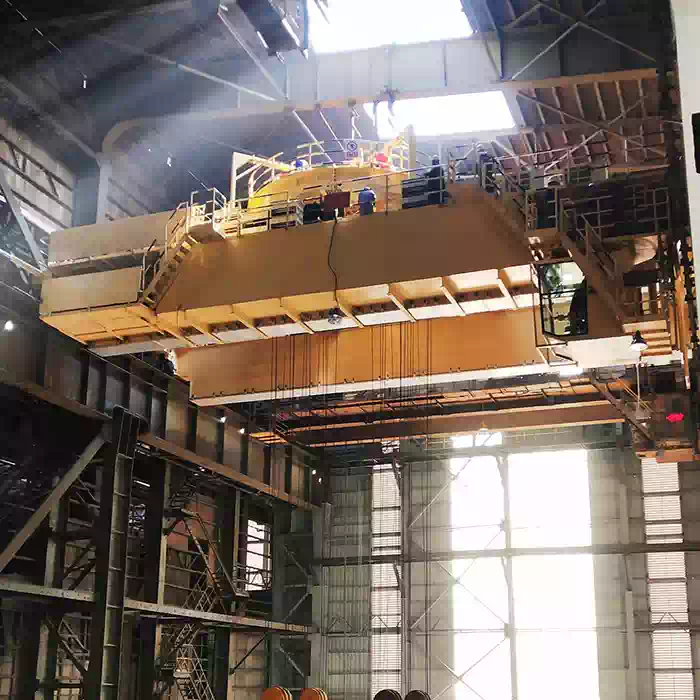
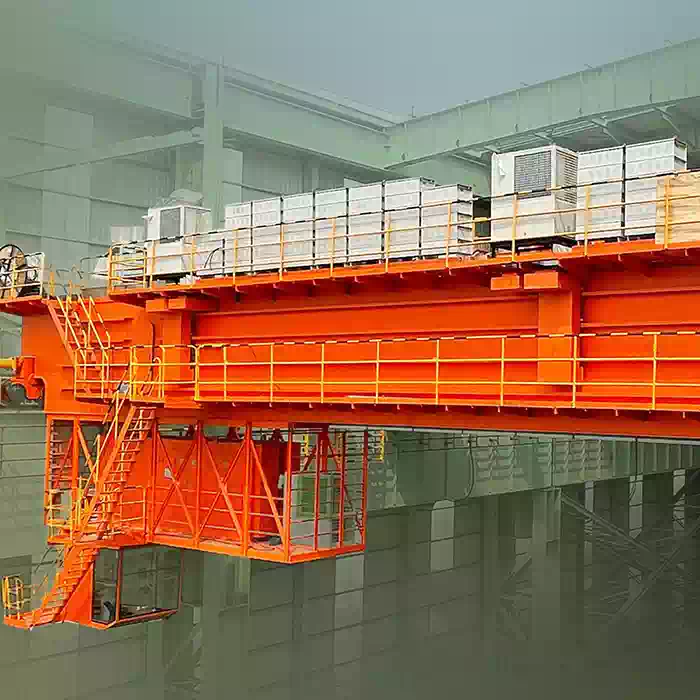
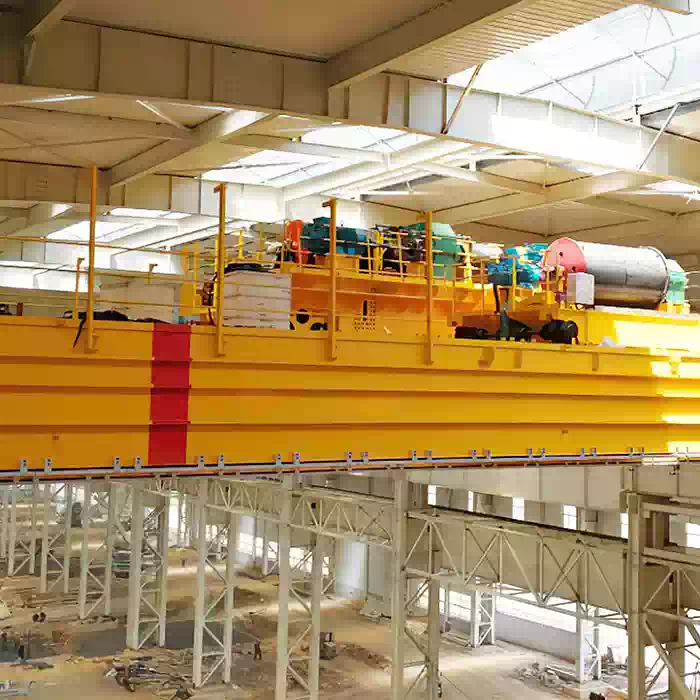
Forging crane is one of the main equipments in the large-scale forging manufacturing process.
Capacity:
100t,200t,300t
Lifting Height:
36m
Span:
40m
Voltage/Hertz:
380V
Working Class:
A7-A8
Get A Free Quote
Introduction
Application Scenario
Advantages
Structural Diagram And Parameter Table
Introduction
The forging crane is one of the core equipment in large-scale forging manufacturing processes, mainly used for lifting and turning metal billets during forging operations. It cooperates with forging presses to exert pressure on metal billets, promoting plastic deformation to obtain products with specified mechanical properties, shapes and sizes. Equipped with buffer devices, it effectively avoids damage to mechanisms or structural parts caused by impact loads, ensuring stable and safe operation throughout the production process.
With scientific structural design and excellent performance, the forging crane has remarkable product features to meet the strict requirements of large-scale forging operations. It is equipped with mechanical anti-impact and anti-overload functions, which greatly enhances operational safety and reliability, preventing potential risks caused by impact and overload during operation. The crane can withstand 1.4 times static load and 1.2 times dynamic load tests, fully meeting the safety standards of the forging industry and ensuring long-term stable operation under harsh working conditions.
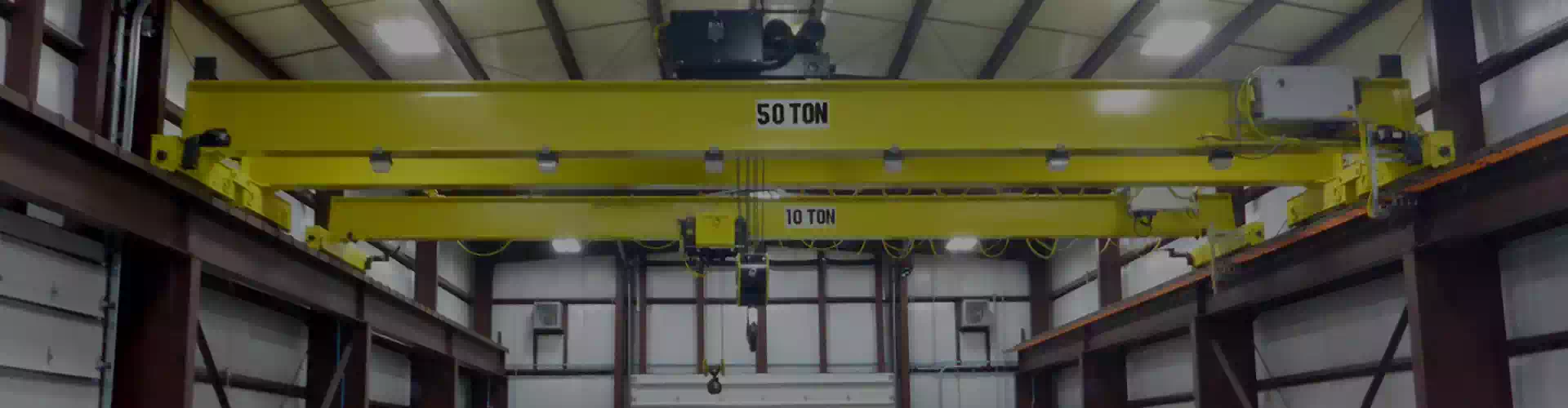
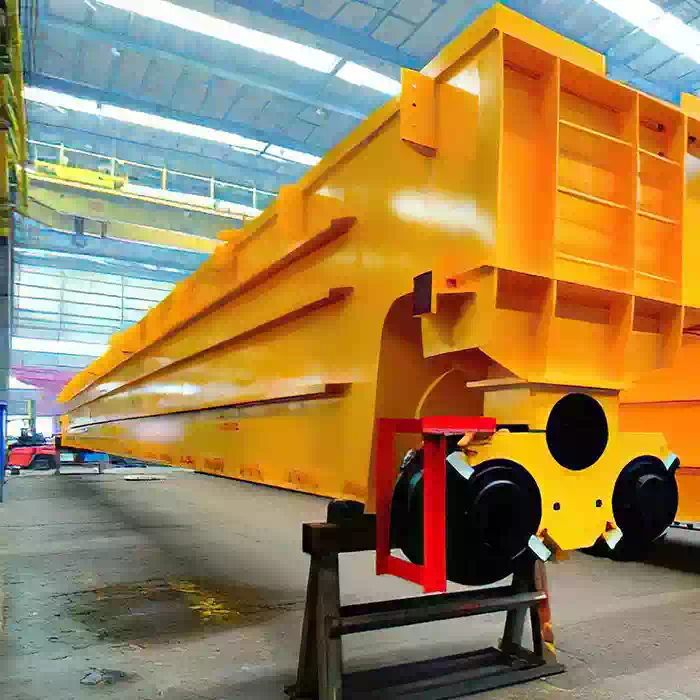
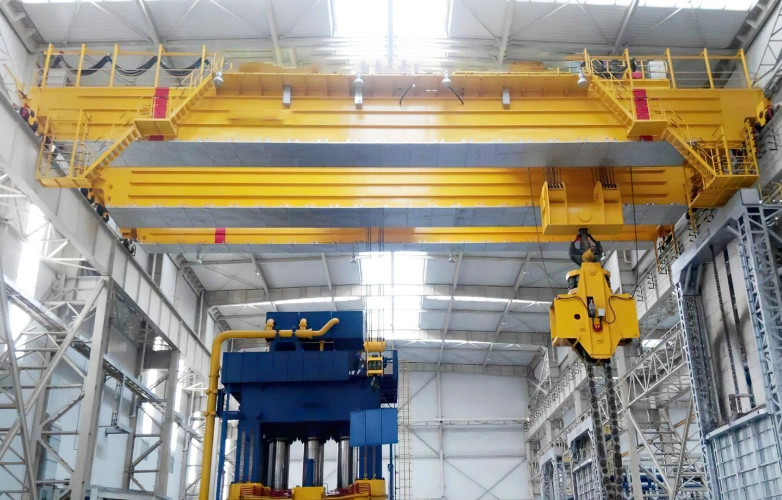
The bridge frame adopts a three-beam and four-rail design, and both the main beam and auxiliary beam are of wide-flange offset rail box structure, which effectively improves the structural rigidity, load-bearing capacity and stability, and can adapt to the heavy-load and high-intensity working environment of forging workshops. It is equipped with a special tilter, which can seamlessly realize the lifting and turning of workpieces, reducing manual operation intensity and improving operation efficiency.
Key points of each part are checked and calculated by finite element analysis technology, ensuring the rationality and reliability of the structure and avoiding structural damage caused by unreasonable stress. The crane adopts a flexible design, and each module is connected by bolts and hinges, which facilitates installation and maintenance, improves workshop utilization, reduces energy consumption, and has strong adaptability to different forging workshop layouts and production needs.
In the R&D process, computer simulation and analysis technology are used to analyze and control the R&D results, ensuring the advanced nature and applicability of the product. The forging crane is available in two main structural forms: double-beam, double-rail with single trolley, and three-beam, four-rail with double trolleys, which can be flexibly selected according to the layout of the forging workshop and the hydraulic press, providing comprehensive support for efficient and safe forging production.
Application Scenario
Forging Crane is mainly applied to forging production links in industrial fields, covering heavy machinery manufacturing, automobile parts production, metallurgical forging, hardware forging and other industries. In heavy forging workshops, it is used to hoist and transfer large forging blanks to forging equipment such as hydraulic presses and forging hammers, and position the blanks accurately during the forging process. In automobile parts and hardware forging workshops, it undertakes the handling of small and medium-sized forging blanks and finished forgings, realizing the connection between blank heating, forging and finished product storage. It is also applicable to the maintenance and handling of forging equipment, adapting to the high-temperature, high-load and continuous operation needs of forging production.
Advantages
The forging crane is one of the main equipment in the large-scale forging manufacturing process. It mainly exerts pressure on the metal billet through a forging press to cause plastic deformation, so as to obtain products with certain mechanical properties, shape and size. The forging crane is used for lifting and turning metal billets, and a buffer device is provided to avoid damage to mechanisms or structural parts caused by impact loads.
There are two main structural forms of forging cranes: double-beam, double-rail with single trolley, and three-beam, four-rail with double trolleys. The structural form of the forging crane is closely related to the layout of the forging workshop and the hydraulic press.
Composition of the forging crane: electrical control system, main (auxiliary) trolley, crane traveling mechanism, bridge frame, spreader, tilter, etc.
Structural Diagram And Parameter Table

CORE ADVANTAGES
1
HIGH QUALITY & STABLE PERFORMANCE
Built with premium materials and strict quality control, ensuring smooth and consistent operation even under heavy working conditions.
2
LONG SERVICE LIFE & LOW MAINTENANCE
Durable structural design reduces wear and tear, delivering long service life with minimal maintenance requirements.
3
HIGH EFFICIENCY & ENERGY SAVING
Optimized driving system ensures fast, responsive lifting while lowering energy consumption and operating costs.
4
HIGH SAFETY STANDARD & DURABLE STRUCTURE
Equipped with multiple safety devices and a rugged structure, providing reliable protection and long‑term durability.
5
CUSTOM DESIGN & FLEXIBLE SOLUTIONS
Fully customizable to different tonnages and working conditions, offering flexible lifting solutions for shipyards and marinas.
QUALIFICATION